Curation for the
Discerning Pet
Parent.
Moving beyond the warehouse shelf. Furly uses AI to match your pet's unique biological needs with premium, vet-approved products.

The Core Collection
Essential luxury for your pet's daily well-being.
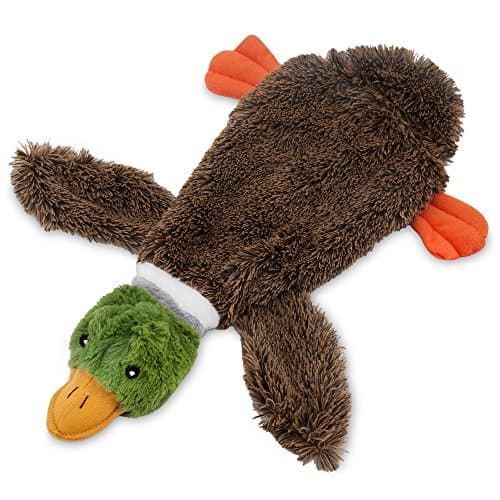
A top-rated product for your pet, trusted by thousands of owners across the US.
View Details
A top-rated product for your pet, trusted by thousands of owners across the US.
View Details
A top-rated product for your pet, trusted by thousands of owners across the US.
View DetailsRefined Living
Curated selections for the modern home and healthy pet.




From the Editorial Desk
Expert insights for thoughtful pet care
How to Introduce a New Cat to Your Home
Bringing a new cat into your home is an exciting milestone, but it requires careful planning and patience to ensure a smooth transition. Whether you're adopting your first feline companion or adding to your existing pet family, understanding how to introduce a new cat to your home properly can mean the difference between a stressed, fearful cat and one that settles in comfortably. The key is creating a structured, gradual introduction process that respects your cat's natural instincts while helping them feel safe and secure in their new environment. **Veterinary Disclaimer**: This article provides general guidance on introducing cats to new homes. For specific health concerns, behavioral issues, or medical advice regarding your cat, please consult a licensed veterinarian who can assess your individual pet's needs. ## Preparing Your Home Before Your Cat Arrives The work of introducing a new cat to your home actually begins before you ever bring your feline friend through the door. Taking time to cat-proof your space and set up appropriate zones will pay dividends in those critical first days and weeks. Start by identifying potential hazards throughout your home. Cats are naturally curious creatures, and a new environment triggers their investigative instincts. Secure any...
Read Article →How to Stop a Dog from Barking at Night
Nighttime barking can turn peaceful evenings into frustrating marathons of interrupted sleep for both you and your neighbors. If you're searching for how to stop a dog from barking at night, you're likely exhausted and desperate for solutions that actually work. The good news? Most nighttime barking issues can be resolved with the right combination of environmental adjustments, training techniques, and understanding why your dog is vocalizing in the first place. At Furly, we've helped thousands of pet parents tackle this common behavioral challenge. The key is identifying the root cause—whether it's anxiety, boredom, environmental triggers, or physical discomfort—and then implementing targeted strategies that address your dog's specific needs. Let's explore the most effective approaches to restore quiet nights for everyone in your household. ## Why Does My Dog Bark at Night All of a Sudden? When a dog who previously slept peacefully suddenly starts barking at night, it's rarely random. Dogs communicate through barking, and nighttime vocalizations are your pet's way of telling you something has changed or something is wrong. **Medical issues** should be your first consideration, especially in older dogs or those with recent health changes. Cognitive dysfunction syndrome (similar to dementia in humans) affects many senior...
Read Article →Best Flea Treatment for Cats: Top Products That Work
If you've spotted your cat scratching more than usual, noticed tiny black specks in their fur, or even seen fleas hopping around your home, you're probably searching for the best flea treatment for cats that actually works. Flea infestations can happen quickly—even to indoor cats—and finding an effective solution fast is crucial for your cat's comfort and health. With dozens of flea treatment options available, from prescription medications to over-the-counter topical treatments and collars, choosing the right one can feel overwhelming. We've researched and compared the most effective flea treatments available to help you make an informed decision for your feline friend. ## What Is the Best Flea Treatment for Cats? The most effective flea treatment for cats depends on your cat's specific needs, lifestyle, and any existing health conditions. Generally, prescription medications from your veterinarian provide the fastest and most comprehensive flea control. These treatments typically contain powerful active ingredients like selamectin, spinosad, or fluralaner that kill adult fleas quickly while also addressing flea eggs and larvae to break the reproduction cycle. Veterinary-prescribed treatments come in several forms: oral tablets, topical spot-on treatments, and long-lasting collars. Each delivery method has advantages. Oral medications work systemically through your cat's bloodstream,...
Read Article →Best Chew Toys for Aggressive Chewers: Indestructible Options for Power Chewers
If you've ever come home to find your favorite shoes destroyed, couch cushions shredded, or yet another "indestructible" toy torn to pieces in minutes, you know the struggle of living with an aggressive chewer. Finding the best chew toys for aggressive chewers isn't just about protecting your belongings—it's about keeping your furry friend safe, mentally stimulated, and satisfying their natural urge to chew. At Furly, we understand that power chewers need specially designed toys that can withstand their jaw strength while providing hours of safe entertainment. This comprehensive guide will help you identify if your dog is an aggressive chewer, what materials work best, and which toys actually live up to their "indestructible" claims. ## How to Identify an Aggressive Chewer Not all dogs chew the same way, and understanding your pet's chewing style is the first step toward finding toys that will last more than a few hours. Aggressive chewers, sometimes called "power chewers," display distinct behaviors that set them apart from casual chewers. **Signs Your Dog is an Aggressive Chewer:** The most obvious sign is how quickly your dog destroys toys. If a standard plush toy lasts minutes instead of weeks, you're dealing with an aggressive chewer. These...
Read Article →